Home»Blog
POTD 8/22/25
BEAVER POND COTTON - Cotton grass (Eriophorum), despite its name is not related to cotton, but is a type of sedge with various historic uses. The fluffy seed heads have been used for stuffing pillows and making candle wicks. The leaves and stems have been used in weaving and in some cultures, the stems and roots have been eaten or used medicinally. It blooms along the edge of the beaver pond in late summer.

POTD 8/21/25
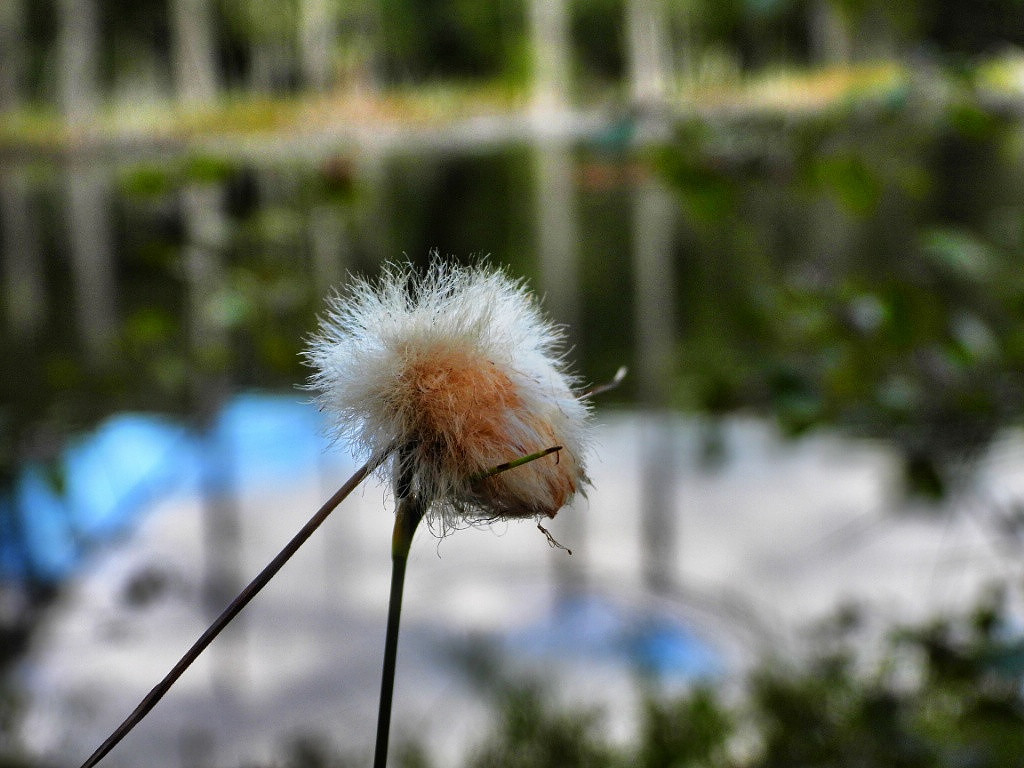
BUNNY CUTENESS - There have been lots of rabbits around this year. Our neighbors have reported seeing lots of bunnies - and we have seen multiple bunnies in our yard this summer. A Google search for "why so many rabbits?" yielded the following explanation: There are more rabbits because there are more of us, more humans, watching them. Rabbits, squirrels and other "high prey species," as these smaller animals are known, feel safer among humans. We tend to drive out the larger, more malevolent species that are likely to eat them. I guess that makes sense and we like the cute bunnies more than some of the other wildlife that comes around, (think porcupines and skunks ;-).
POTD 8/20/25
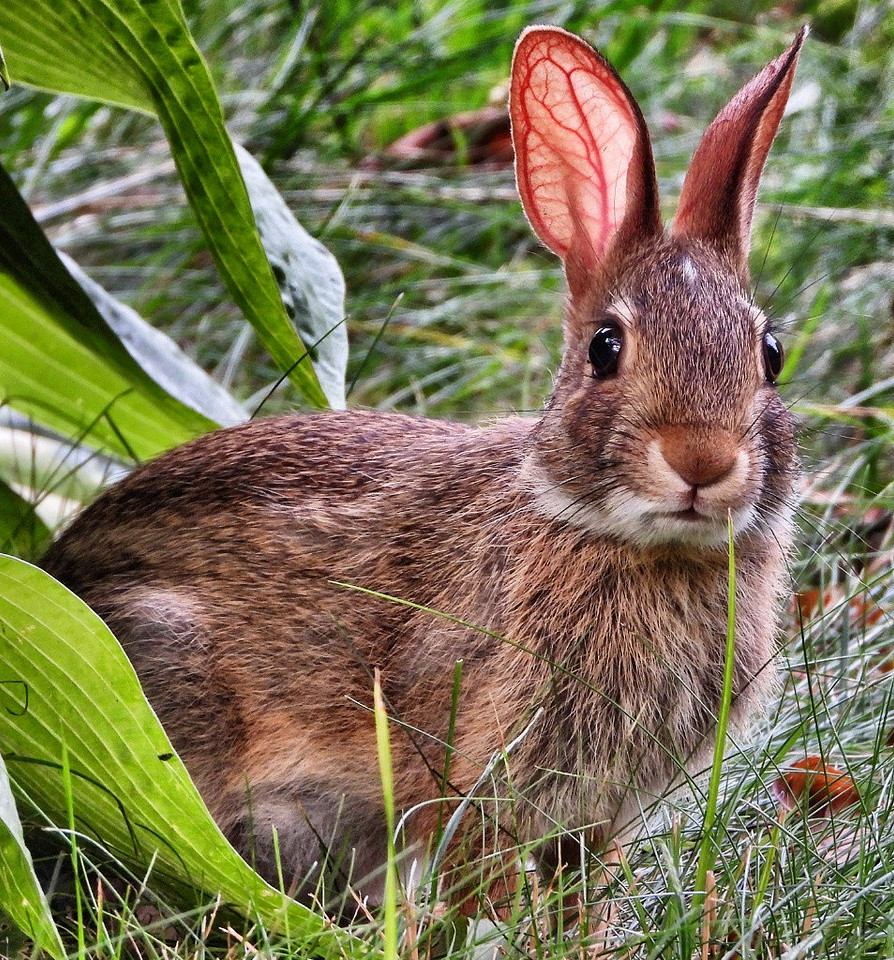
YOUNG GROSBEAK - An immature Rose-breasted Grosbeak scratches under the feeder. We have regular Grosbeaks and almost always see the adults feeding the fledglings. We don't usually see the nearly full-grown fledglings with the touch of red on their streaked breast.
POTD 8/19/25
IN DISGUISE - Misumena Vatia - the tiny Goldenrod Crab Spider hunts insects on a Sunflower bloom. They are called crab spiders for their unique ability to walk sideways as well as forward and backward. They use venom to immobilize prey - insects often much larger than themselves. They are most often found on yellow flowers and use their color as active camouflage and can change their color from yellow to white depending on the flower they are hunting on.