Home»Blog
POTD 7/24/24
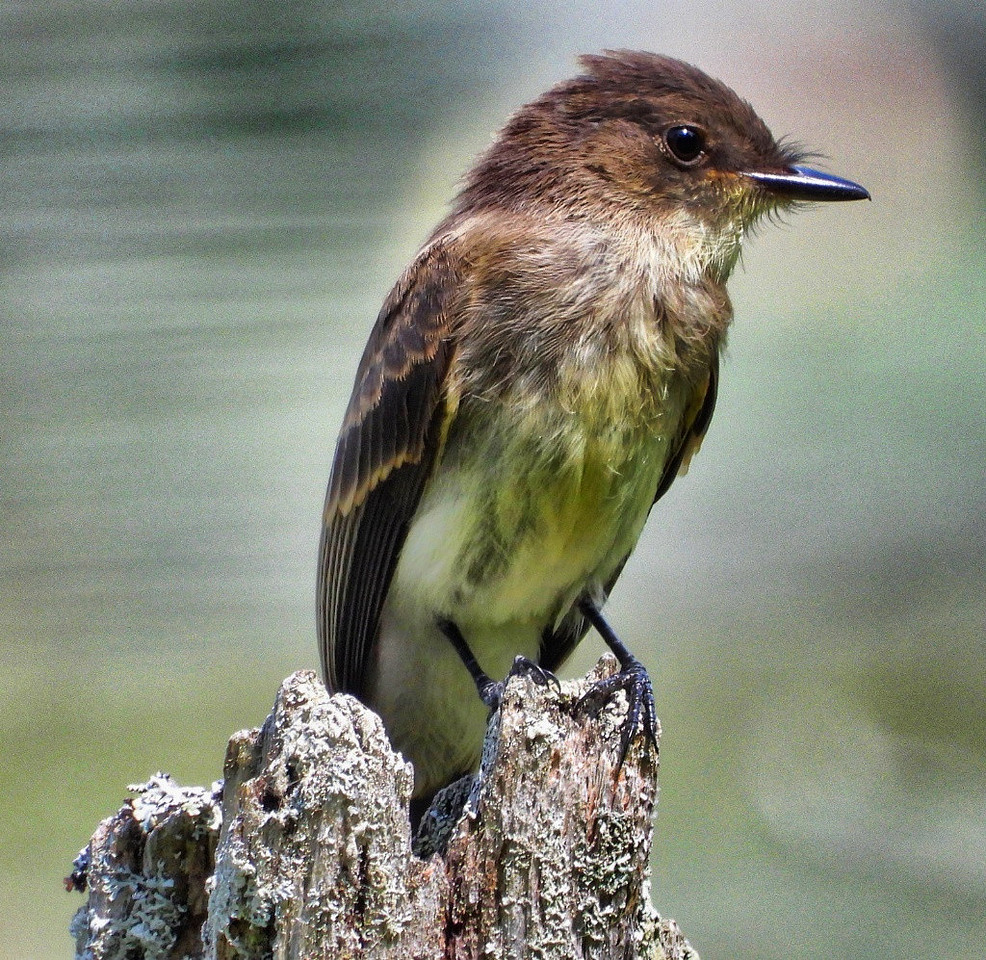
BRISTLE AT THE THOUGHT? - An Eastern Phoebe on the beaver pond. The Phoebe, along with several other insectivores, have "whiskers" around their beak - called rictal bristles. Rictal bristles are thought to be tactile in many species and may aid in navigation, foraging and collision avoidance; however, identifying rictal bristle function is challenging. One suggestion of purpose is to help keep insects from getting into the bird's eyes as it catches them on the fly.

POTD 7/23/24
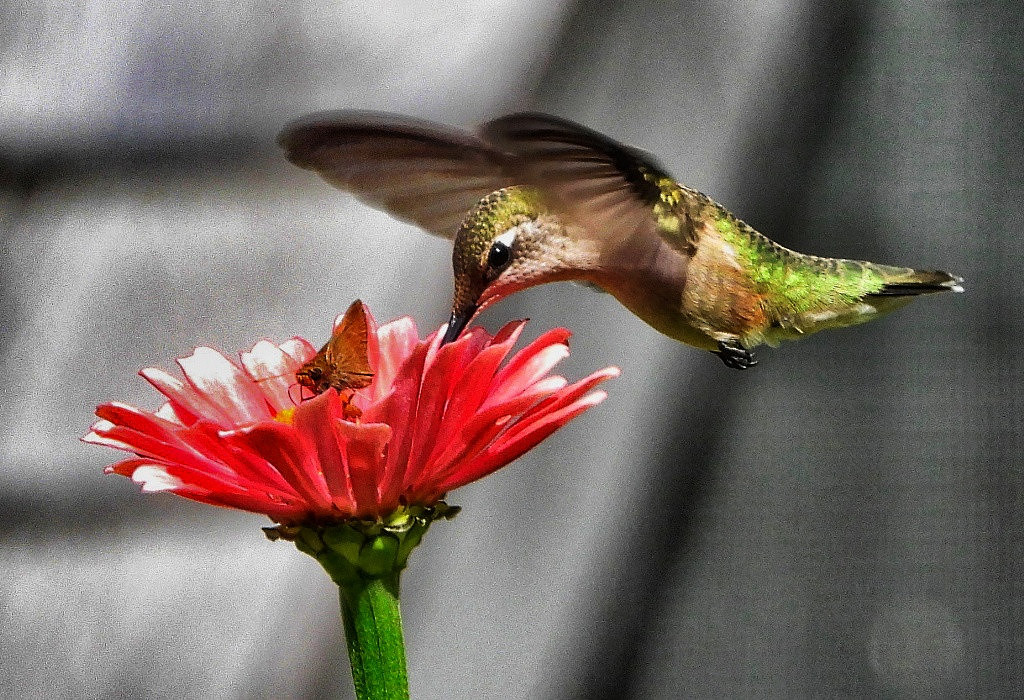
ENOUGH TO SHARE - A female Ruby-throated Hummingbird visits a Zinnia bloom already being used by a small butterfly.
POTD 7/22/24
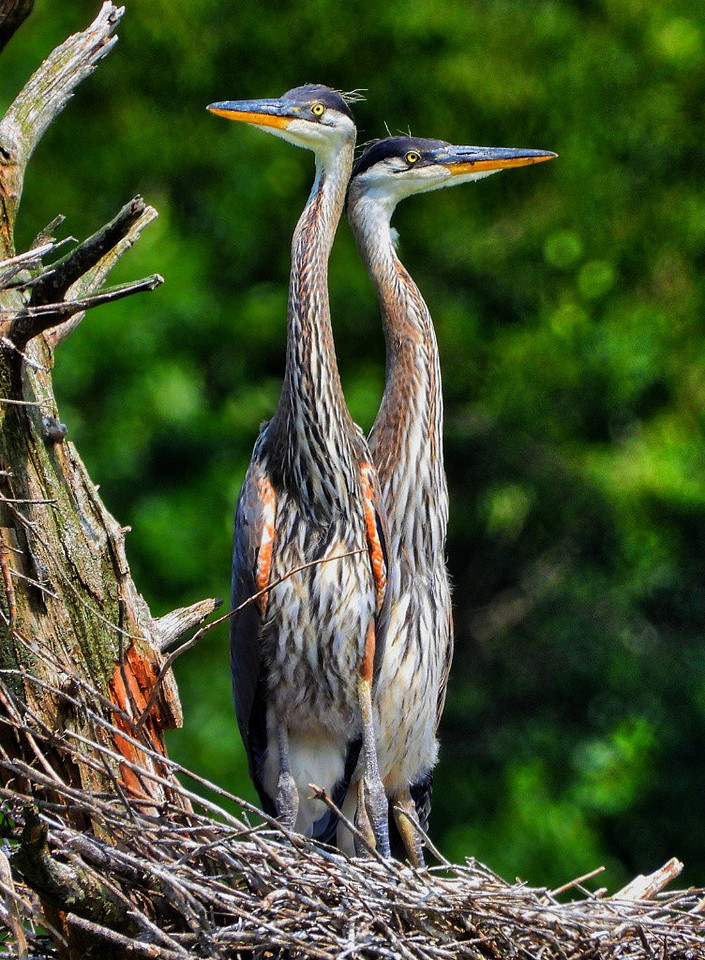
CHICKS WON'T LEAVE HOME - Fledged Heron Chicks still hanging in the nest "hoping" for an adult to bring food. These Herons can (and do) fly and the adult birds "tough love" them into going off on their own.
POTD 7/21/24
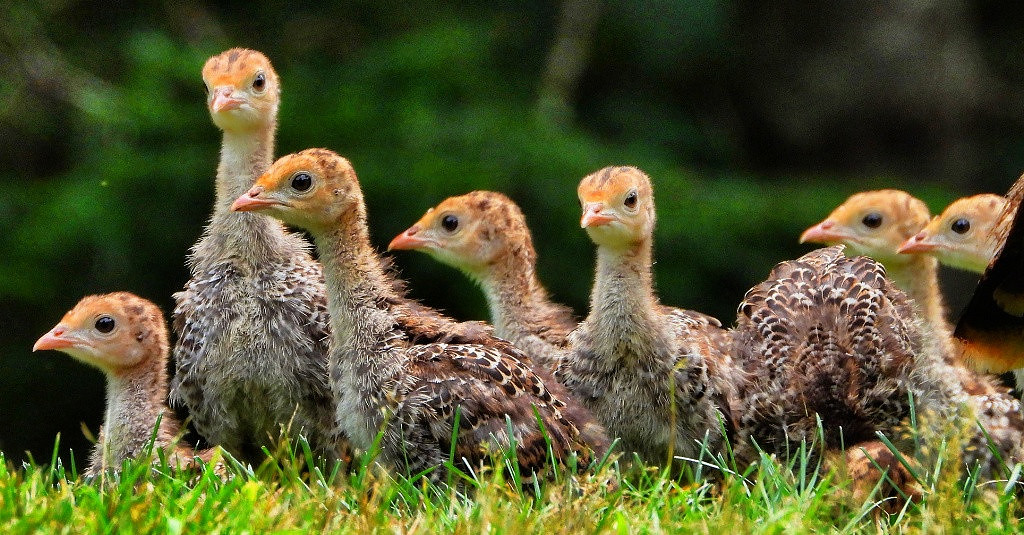
MOMMA BROUGHT THE CHICKS - We've been watching for Turkey chicks - which we see every year. Finally saw these little ones with Momma Turkey.
POTD 7/20/24
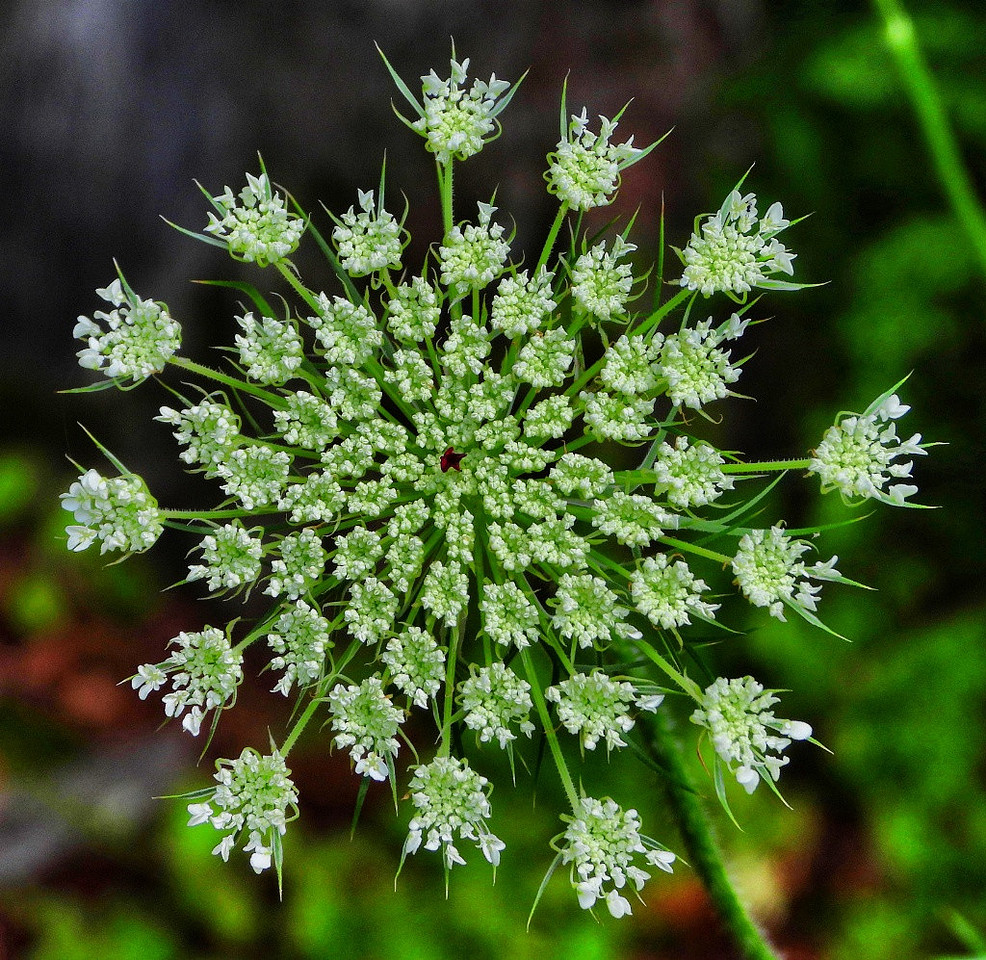
MATH IN NATURE - The symmetrical pattern of a Queen Anne's Lace bloom is the result of interesting mathematical formula called the Fibonacci sequence. The way you get the Fibonacci sequence is to add the last two numbers in the sequence: 1,2,3,5,8,13,21,34, etc. Fibonacci numbers turn up in the Archimedes spiral, the chambered nautilus, and the pattern of overlapping spirals in a sunflower or a Queen Anne's Lace. WOW!